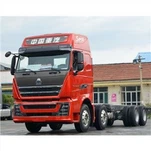
As the first company in the world to use "non-fossil steel" materials, Volvo Trucks is using "non-fossil steel" to manufacture trucks. The "non-fossil steel" is made by SSAB (Swedish steel manufacturer) and will be used for the first time in Volvo electric heavy trucks.

SSAB uses new technology to make "non-fossil steel" using hydrogen energy. The impact of this steel on the environment is much lower than that of conventional steel. In the third quarter of 2022, the steel will be used on a small scale in Volvo electric heavy-duty trucks.
"We will increase the use of fossil-free materials in all truck models, not only to achieve net zero emissions in our operations, but also for the materials from which the trucks are made," said Jessica Sandström, Senior Vice President Product Management at Volvo Trucks.

The first hydrogen-made steel will be used in Volvo Trucks' frame rails - the truck's most important component, responsible for carrying the truck's main components. With the increasing number of applications for "non-fossil steel", this type of steel will be used in other parts of the truck in the future.
90% of Volvo trucks are recyclable
Today, new Volvo trucks are made from around 30 percent recycled materials. Up to 90% of Volvo trucks can be recycled after their end of life.
"We are continuously working to further reduce our climate footprint. At the same time, we are also working towards a higher recycling rate in operations and truck manufacturing," says Jessica Sandström.

The Volvo Group has been working with SSAB to develop "non-fossil steel" materials since 2021, with the first product being a delivery vehicle made of "non-fossil steel", which will be launched for the first time in October 2021. "Non-fossil steel" will be an important addition to the conventional and recycled steel used in Volvo Trucks production.
Volvo Trucks is committed to the Paris Agreement and its value chain will reach net zero greenhouse gas emissions by 2040 at the latest.